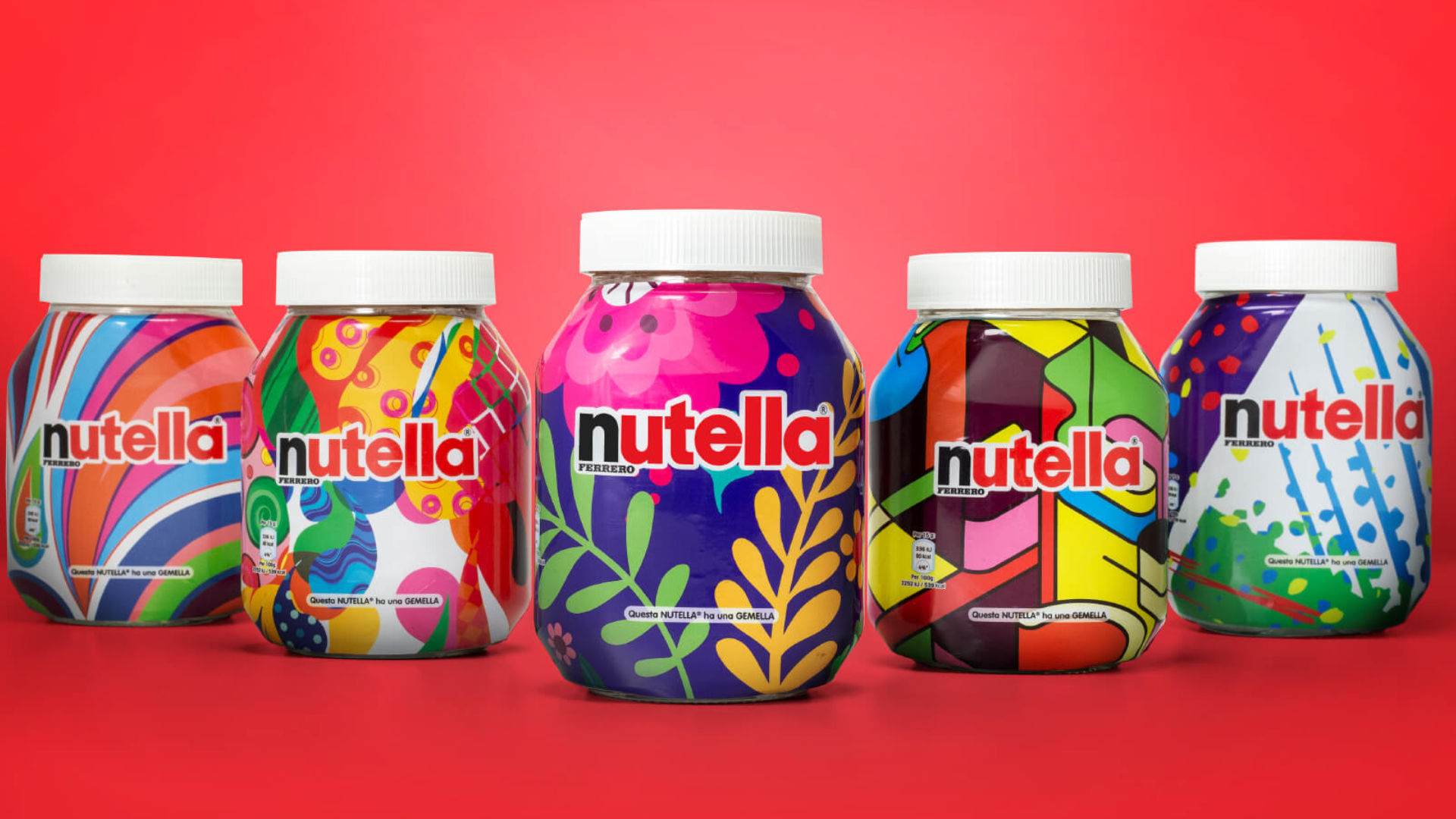
Some packaging needs no introduction.
Certain packages are more than just containers—they become an integral part of a product’s identity, sometimes even outshining the product itself. They are the first point of contact, the first promise. And when designed intelligently, they can turn an ordinary object into something instantly recognizable.
Let’s take a look at some of the most famous examples!
Certain packages are more than just containers—they become an integral part of a product’s identity, sometimes even outshining the product itself. They are the first point of contact, the first promise. And when designed intelligently, they can turn an ordinary object into something instantly recognizable.
Let’s take a look at some of the most famous examples!
The Coca-Cola Glass Bottle
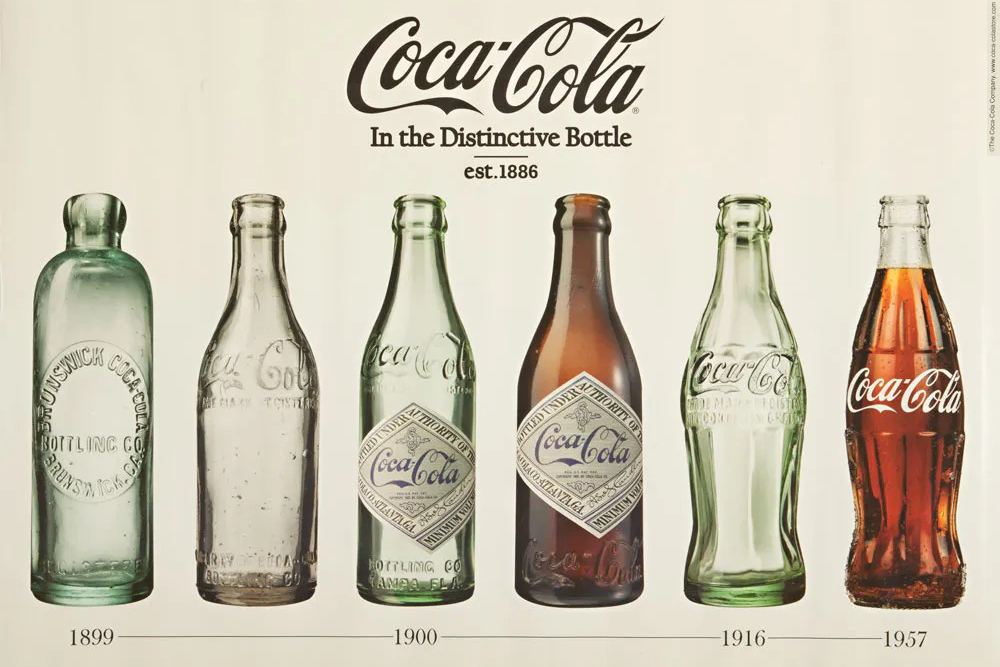
At the beginning of the 20th century, Coca-Cola’s challenge wasn’t just selling more, but standing out among countless imitations. In 1915, the company issued a challenge: create a bottle that could be recognized—even in the dark or when broken—without a label.
Designer Earl R. Dean drew inspiration from the shape of a cocoa pod, mistakenly believing the beverage contained cocoa. From that idea came the curvy, contoured bottle with a narrow neck.
The so-called “Contour Bottle” wasn’t just visually appealing—it was ergonomic and distinctive. Over time, it became one of the most powerful symbols of 20th-century industrial design. Even today, its silhouette alone is enough to identify it.
Designer Earl R. Dean drew inspiration from the shape of a cocoa pod, mistakenly believing the beverage contained cocoa. From that idea came the curvy, contoured bottle with a narrow neck.
The so-called “Contour Bottle” wasn’t just visually appealing—it was ergonomic and distinctive. Over time, it became one of the most powerful symbols of 20th-century industrial design. Even today, its silhouette alone is enough to identify it.
The Pringles Can
The goal was practical: chips in bags often arrived broken. The solution? Completely rethink both the product and its packaging.
A simple yet revolutionary idea.
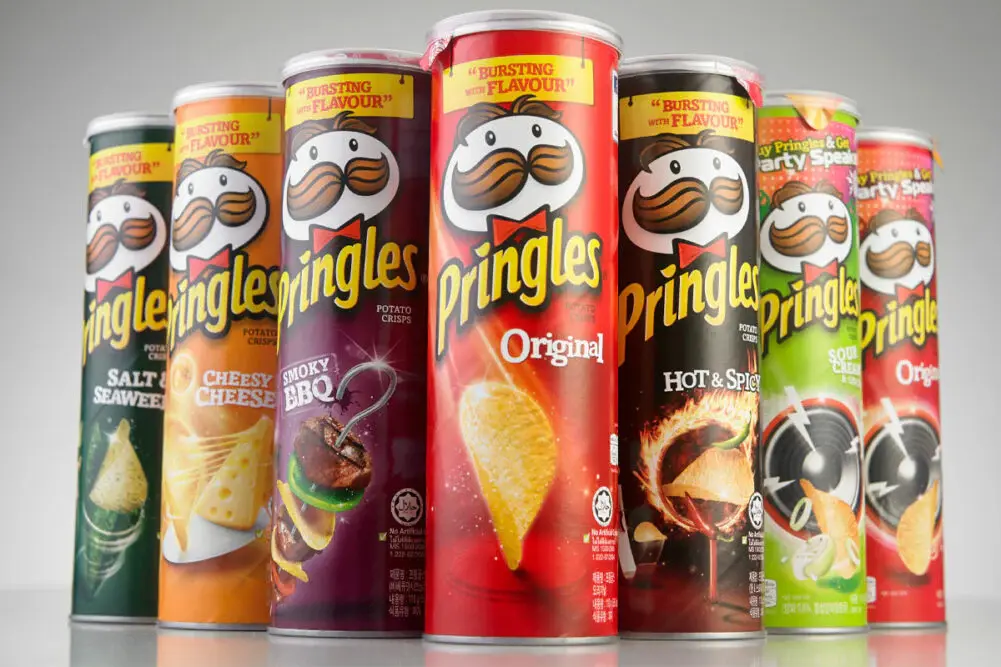
Chips were standardized in shape, stackable, and placed in a rigid cylinder. Not a bag, but a tube that protected the product and optimized space.
Over the years, the design has remained largely unchanged, becoming so recognizable that it’s often referenced in advertising humor and memes.
Result: no more broken chips, maximum logistical efficiency, and a shelf presence that’s impossible to ignore. The tube is not just functional—it’s distinctive, playful, and memorable, even starring in self-aware ad campaigns.
A simple yet revolutionary idea.
Chips were standardized in shape, stackable, and placed in a rigid cylinder. Not a bag, but a tube that protected the product and optimized space.
Over the years, the design has remained largely unchanged, becoming so recognizable that it’s often referenced in advertising humor and memes.
Result: no more broken chips, maximum logistical efficiency, and a shelf presence that’s impossible to ignore. The tube is not just functional—it’s distinctive, playful, and memorable, even starring in self-aware ad campaigns.
The Nutella Jar
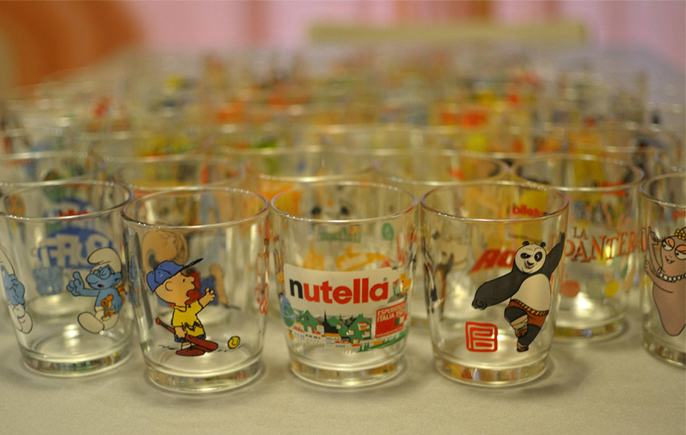
From the very beginning, the glass jar was designed for a second life: once the hazelnut spread was gone, it became a drinking glass. Nutella embraced reuse long before sustainability became a trend.
A simple gesture, yet a powerful one. The brand stays in homes, on tables, in daily life. The jar is not seen as waste but as a useful object.
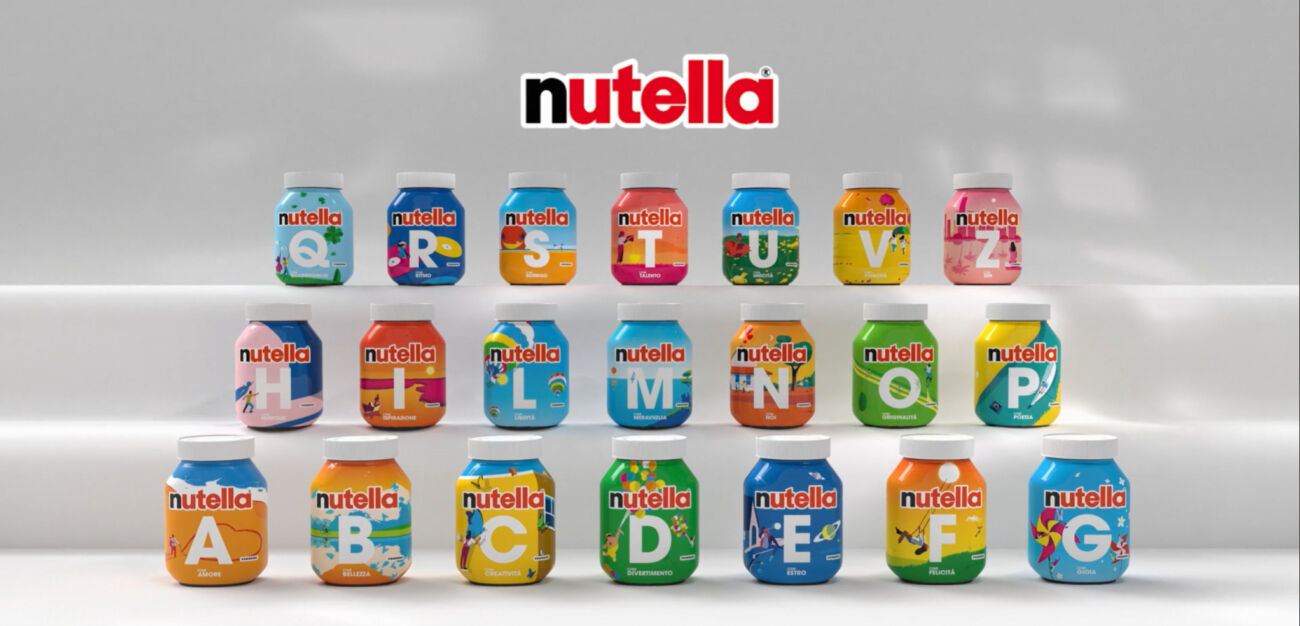
In the 1980s and ’90s, illustrated editions featuring cartoon characters fueled collectibility, turning the jar into a keepsake. Personalized jars with names and special editions strengthened the emotional bond between brand and consumers.
A simple gesture, yet a powerful one. The brand stays in homes, on tables, in daily life. The jar is not seen as waste but as a useful object.
In the 1980s and ’90s, illustrated editions featuring cartoon characters fueled collectibility, turning the jar into a keepsake. Personalized jars with names and special editions strengthened the emotional bond between brand and consumers.
McDonald’s French Fry Box
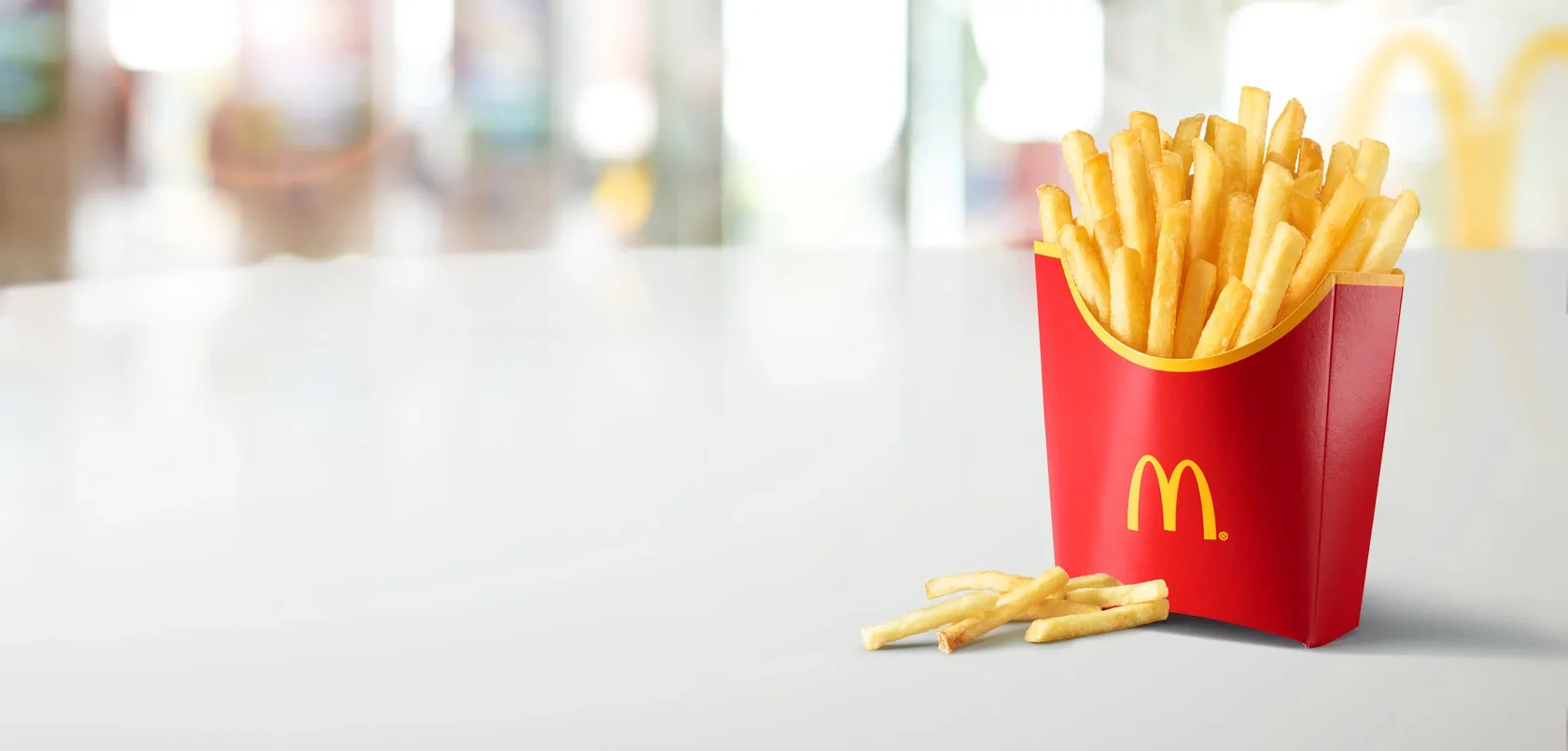
The red carton with iconic golden arches is one of the most recognizable packaging designs in the world. Its strength lies in simplicity: a shaped container that’s easy to hold and allows for quick consumption, perfectly aligned with the fast-food concept.
During the brand’s explosive growth, speed of service and convenience for the customer were essential. This packaging solved both challenges, becoming an integral part of the McDonald’s experience.
During the brand’s explosive growth, speed of service and convenience for the customer were essential. This packaging solved both challenges, becoming an integral part of the McDonald’s experience.
The Orange Hermès Box
Today, it’s synonymous with luxury. But the choice of orange wasn’t born from a deliberate color strategy.
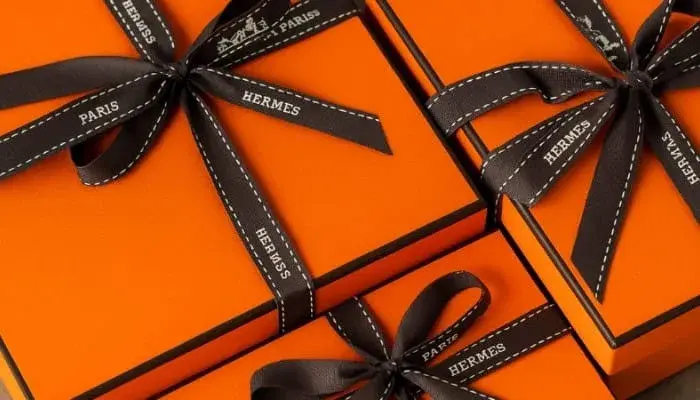
In the post-war period, when materials were scarce, the maison had to use orange boxes simply because they were available. A decision dictated by necessity.
Over time, the color became a proprietary code, instantly associated with exclusivity and craftsmanship. The box, with its brown ribbon, is now a key part of the buying ritual.
In the post-war period, when materials were scarce, the maison had to use orange boxes simply because they were available. A decision dictated by necessity.
Over time, the color became a proprietary code, instantly associated with exclusivity and craftsmanship. The box, with its brown ribbon, is now a key part of the buying ritual.
The Heinz Bottle
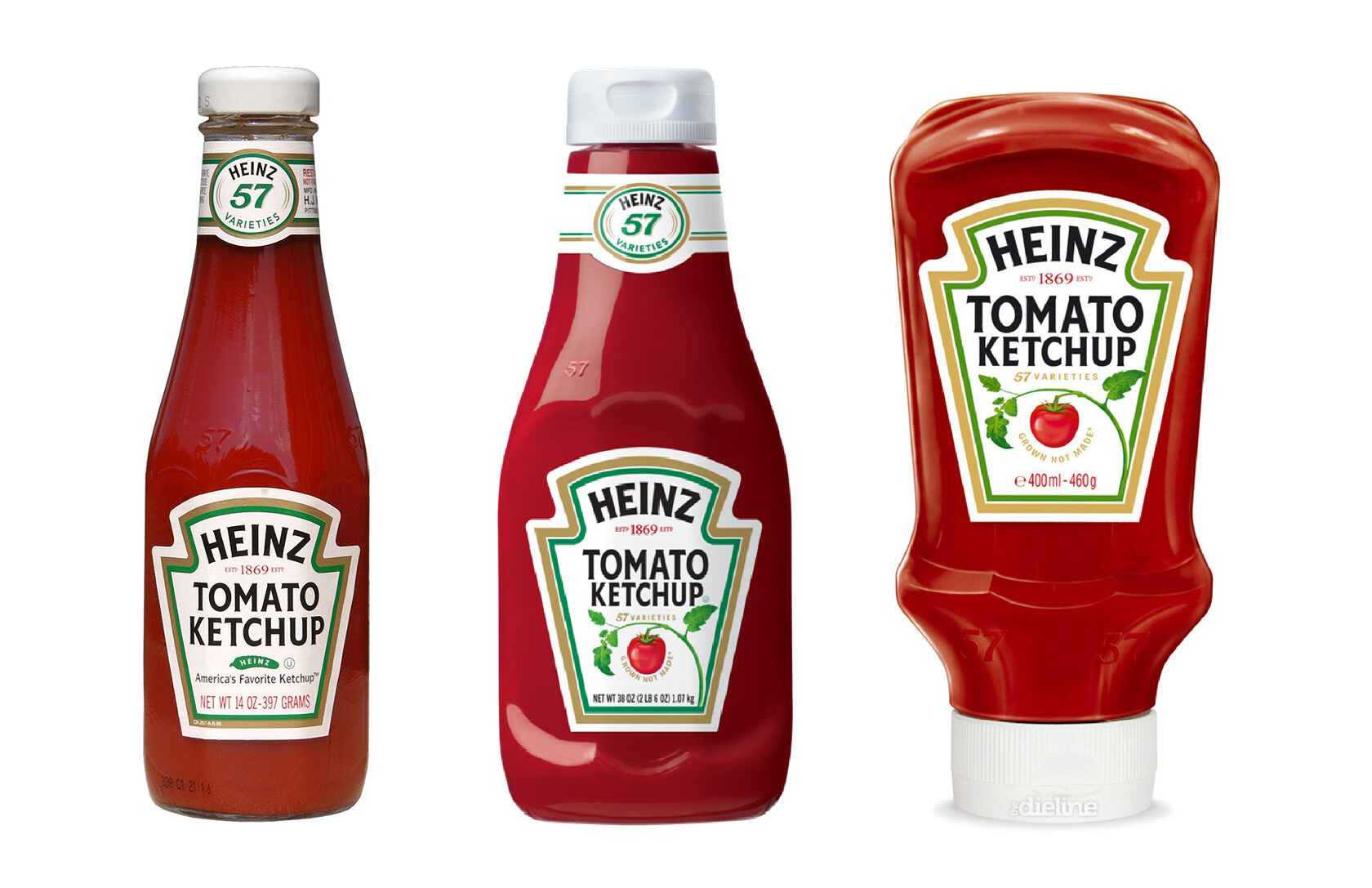
When Henry Heinz started producing sauces, he chose a clear glass bottle. A bold move: showing the contents communicated quality and purity.
Over time, the glass bottle with its angled label became a pop culture icon.
The brand’s true strength has been constant innovation: single-serving options for restaurants, practical packaging for retail, and in 2001, the revolutionary upside-down bottle with a flat cap.
A functional insight that changed consumption habits and was widely imitated by competitors.
Over time, the glass bottle with its angled label became a pop culture icon.
The brand’s true strength has been constant innovation: single-serving options for restaurants, practical packaging for retail, and in 2001, the revolutionary upside-down bottle with a flat cap.
A functional insight that changed consumption habits and was widely imitated by competitors.
The Fabbri Jar for Amarena Cherries
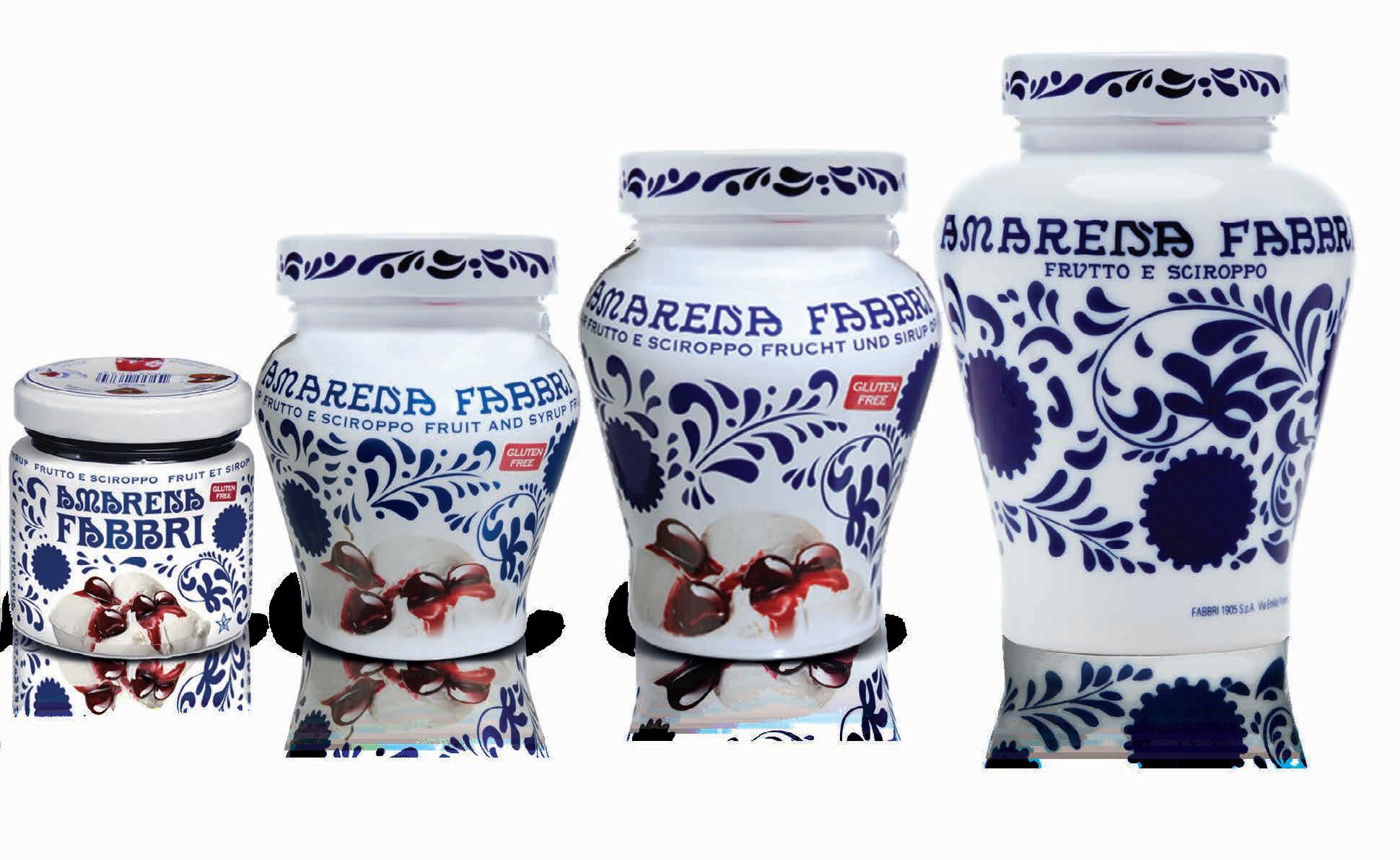
The white ceramic jar with blue decorations was created in the 1920s in Faenza. White, rounded, and decorated with blue floral patterns, it has remained largely unchanged, spanning eras and markets.
It’s far more than a simple food container—it’s a decorative object meant to be displayed. It has found its way into homes, historic cafés, and restaurants, becoming almost a piece of furniture.
Its recognizability has even led to legal action against imitation attempts from China.
It’s far more than a simple food container—it’s a decorative object meant to be displayed. It has found its way into homes, historic cafés, and restaurants, becoming almost a piece of furniture.
Its recognizability has even led to legal action against imitation attempts from China.
Tiffany’s Blue Box
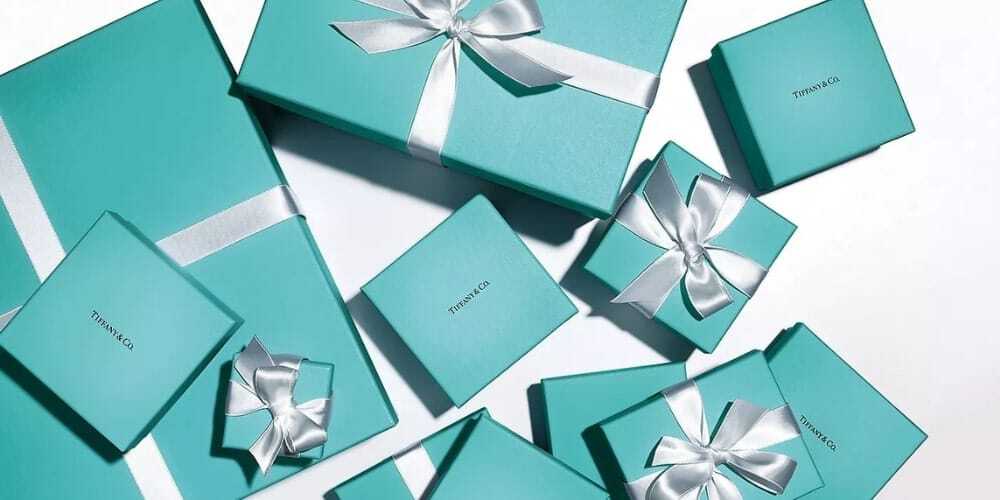
Introduced in the 19th century, the famous “Blue Box” is instantly recognizable by a specific shade of blue, officially registered as Pantone 1837, referencing the brand’s founding year. This color, now known as “Tiffany Blue,” is a proprietary visual code, strictly protected and maintained with rigid color standards.
Over time, this blue has become synonymous with promises, engagements, and celebrations.
The box itself is minimal: a compact surface with a white satin ribbon adds a ritualistic touch. No excess, yet it immediately conveys romance and a special moment.
It stands as one of the strongest examples of color branding in retail history: color becomes identity.
Over time, this blue has become synonymous with promises, engagements, and celebrations.
The box itself is minimal: a compact surface with a white satin ribbon adds a ritualistic touch. No excess, yet it immediately conveys romance and a special moment.
It stands as one of the strongest examples of color branding in retail history: color becomes identity.
But the story doesn’t end here! There are many other famous, even vintage, packaging designs that have made history… Stay tuned—who knows, another article might be on the way!