When Brands Join Forces: Let’s Talk Co-Branding!
In the world of strategic marketing, brand collaborations have become an increasingly powerful tool to grow and stand out. Co-branding comes from this very idea: two (or more) brands combine their strengths in a joint project, creating something new that merges identities, reputations, and expertise.
It’s a strategic partnership designed to create mutual value. But for a co-branding effort to really work, brand recognition alone isn’t enough. There has to be a shared foundation of values, vision, and consistent communication. Mission and positioning need to naturally align so consumers perceive the collaboration as authentic and credible, rather than just a marketing stunt.
Types of co-branding
Communication Co-Branding: Here, the connection between brands lives mostly in shared storytelling and positioning. The brands keep their products separate but share messages, values, and tone. Think of Uliveto and Rocchetta, who for years have built joint campaigns around wellness and health, or the BMW x Louis Vuitton collaboration, focused on shared values like luxury, design, and performance.
Product Co-Branding: Brands work together to create a new offering that blends key elements of both identities. H&M x luxury designers (Versace, Balmain, Moschino) is a perfect example, with capsule collections that mix fast fashion and high-end style, making luxury fashion accessible to a wider audience. Or IKEA x Sonos, where speakers are integrated into furniture, combining design and technology in one product.
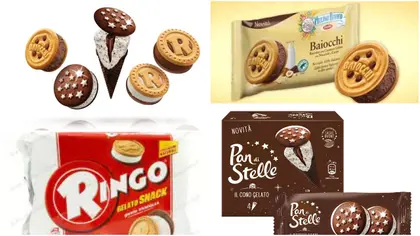
Ingredient Co-Branding: An ingredient becomes a “brand within a brand”—one brand features another’s iconic ingredient, leveraging its reputation and popularity. This is what happened with Algida x Barilla, where Mulino Bianco (Pan di Stelle, Ringo, Baiocchi) guarantees taste and quality in Algida products, or McDonald’s x Nestlé/Oreo, giving life to the famous McFlurry.
Complementary Co-Branding: Brands share a similar universe and offer products or expertise that naturally complement each other. Samsung x Google is a prime example: hardware and software working together to enhance the end-user experience.
Winning Co-Branding examples
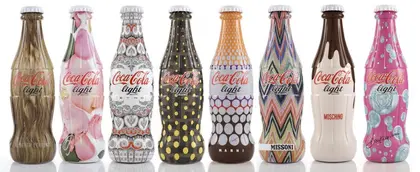
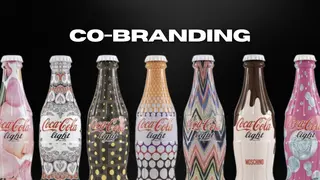
Coca‑Cola and the Fashion World: Since 2003, Coca‑Cola’s iconic glass bottles have become canvases for world-famous designers. Brands like Fiorucci, Missoni, Fendi, and Versace have released special editions that mix design and style with one of the world’s most recognizable consumer products. Between 2013 and 2015, designers like Marc Jacobs, Moschino, and Trussardi took part, turning the bottle into a collectible and cementing Coca‑Cola’s link to creative luxury.
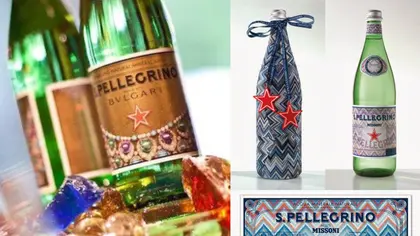
San Pellegrino x Bulgari and Missoni followed a similar path.
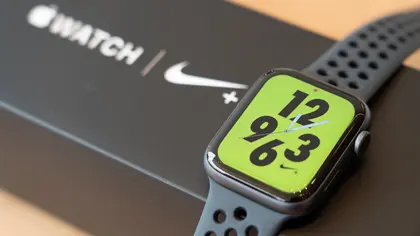
Nike x Apple: This collaboration led to wearable products focused on sports and fitness, including the Apple Watch Nike. It combines Apple’s tech expertise with Nike’s distinctive sports design, creating devices that go beyond a watch—they’re tools for performance, motivation, and lifestyle.
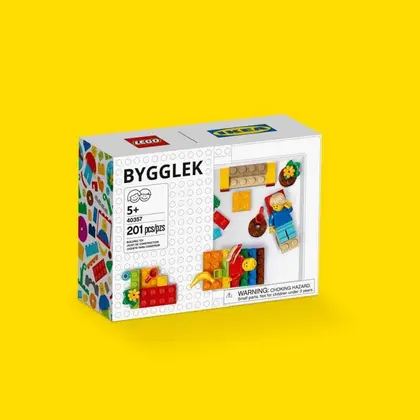
IKEA x LEGO: Another playful collaboration that merged furniture and creativity, sparking fun and innovation in everyday living.
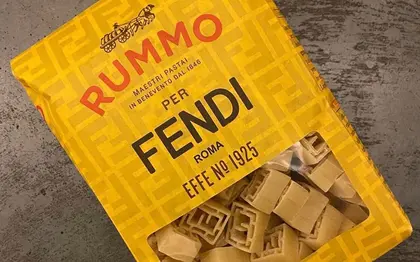
Fendi x Rummo Pasta: Fendi invited people to its fashion show through a Rummo pasta package—a partnership that evokes authentic Italian imagery: home cooking, shared meals, and daily artisanal gestures that are part of the culture.
Wild Co-Branding…
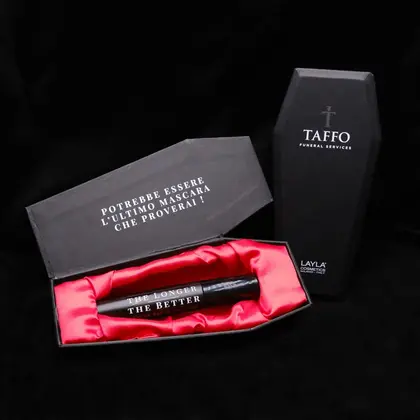
In 2022, Italy witnessed one of the most bizarre collaborations ever: Layla x Taffo, a mashup between a beauty brand and a funeral service. Both brands share a sparkling, ironic, and offbeat style, turning the launch of the mascara “The Longer, The Better” into an instant viral hit. The internet, naturally, went wild.
…And a Truly unusual Alliance
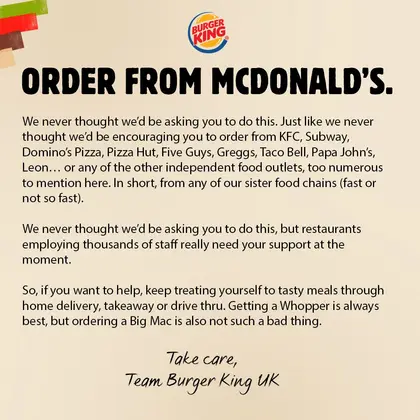
It’s rare to see two historically rival brands collaborate, but 2020 taught us otherwise. During the pandemic, community spirit took over: in November, Burger King UK tweeted an unusual message of solidarity, encouraging customers to also order from McDonald’s. The goal wasn’t selling more burgers—it was protecting restaurant employees’ jobs. A perfect example of how long-standing rivalries can turn into alliances that create real hype!
Author Sabrina Ceccarani, Social Media Manager
See also this
-
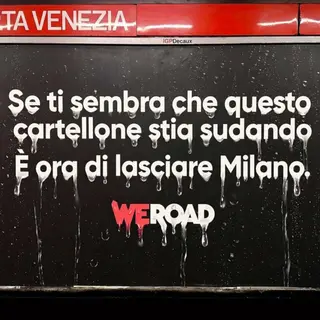
It’s Hot, You’re on the Metro and You Just Want to Leave: WeRoad’s New Campaign Gets It
WeRoad turns Milan’s summer heat into a witty OOH campaign designed to make commuters want to escape.
-

Greenpeace Renames London Underground Stations to Protest the Climate Crisis
Greenpeace renames London Tube stations to protest extreme heat and the fossil fuel industry.
-
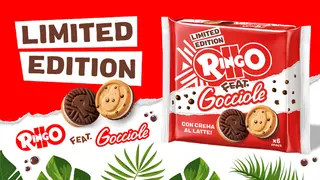
Ringo vs Gocciole: The Social Media “Dissing” That Was Actually Marketing
From fake rivalry to viral collab: how Ringo and Gocciole turned dissing into marketing success.