During Milan Design Week 2026, the city once again proves to be a dynamic storytelling ecosystem, where brands don’t just show up—they build worlds. Installations, immersive journeys, and hybrid formats transform Milan into a living platform where design becomes culture, connection, and memory.
The real shift is clear: brands are no longer showcasing products—they are designing experiences. And each one speaks this language in its own way.
IKEA: design as everyday conviviality
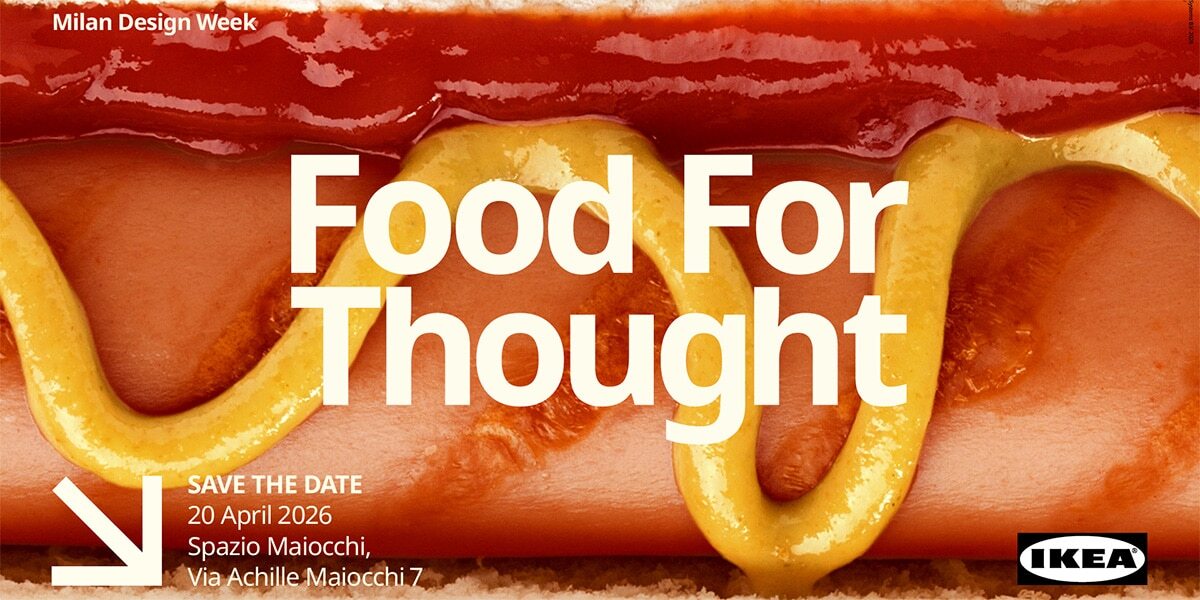
With Food for Thought, IKEA interprets Design Week as a social and relational space.
The installation unfolds through different environments where international designers and chefs collaborate in live cooking sessions. Food becomes a medium to tell stories about culture, aesthetics, and lifestyles.
More than an exhibition, it’s a system of moments: tastings, evening gatherings, and informal interactions create a continuous experience. IKEA reinforces its positioning—design is not something to observe, but something to live.
Canon: bringing back the value of physical interaction
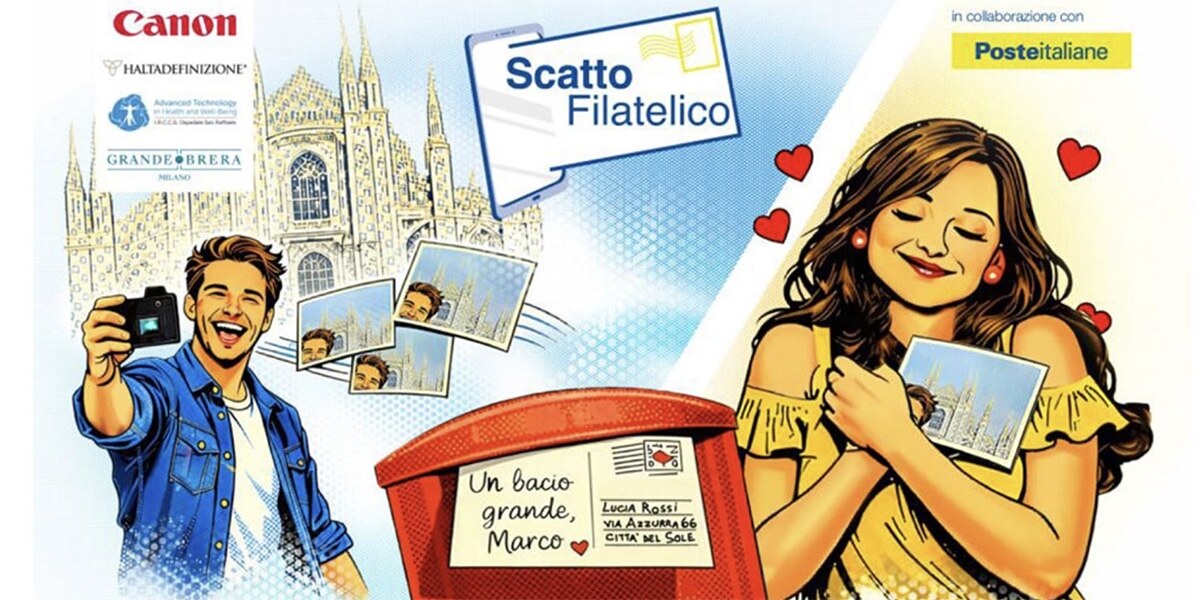
With Scatto Filatelico, Canon brings attention back to photography as a tangible and personal object.
The idea stems from a simple insight: digital photos accumulate but rarely become meaningful memories. This activation allows visitors to transform a digital image into a physical postcard—printed, handwritten, stamped, and ready to be sent.
Chiquita: a pop universe turned into a physical space
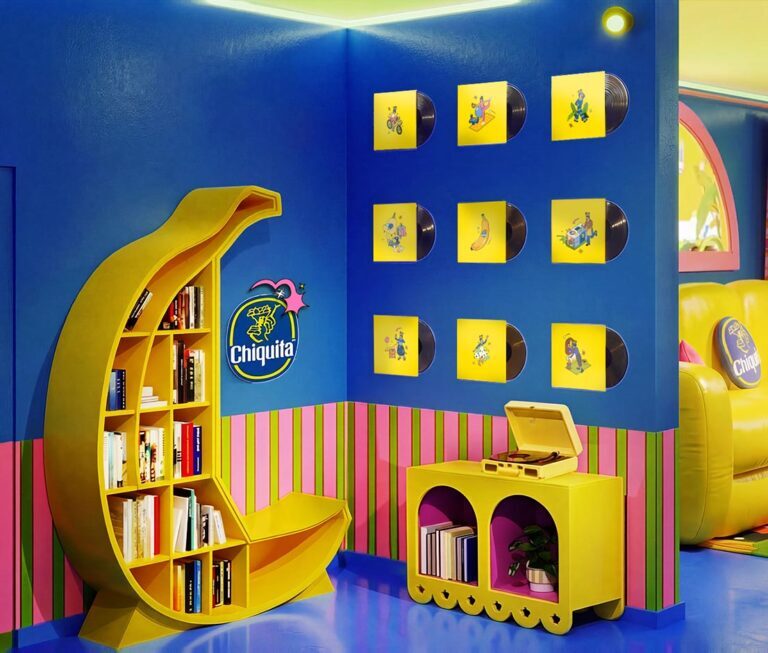
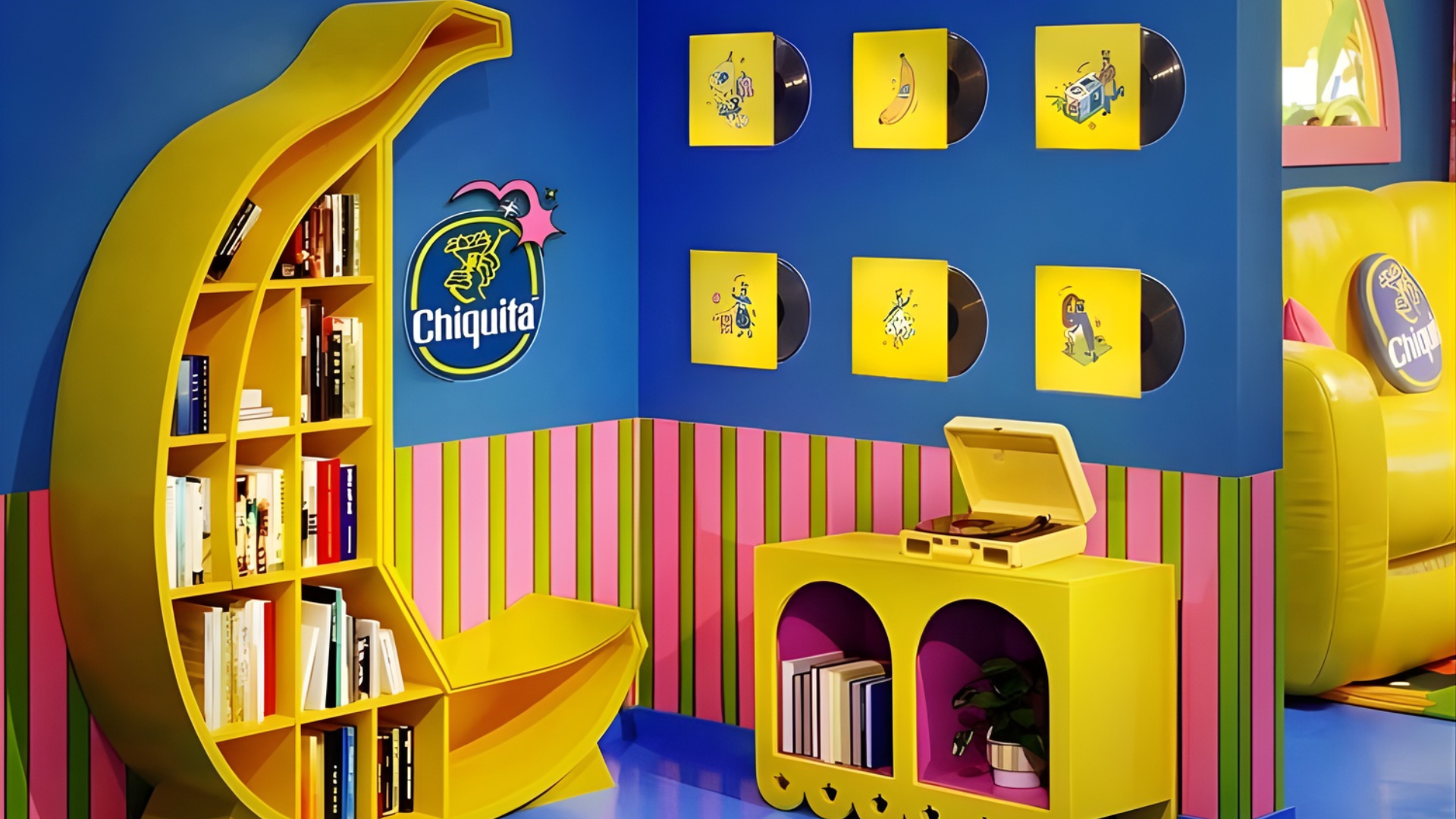
With Miss Chiquita House, Chiquita transforms its iconic visual identity into a fully immersive environment.
The experience takes the form of a symbolic house, where each room amplifies the brand’s vibrant, pop-inspired aesthetic while encouraging social content creation.
It reflects a broader trend: even food brands are now building immersive visual worlds designed to be experienced and shared.
McDonald’s: collective memory as a design material

For its first appearance at Design Week, McDonald’s adopts a strongly narrative approach with POOL – Unlock a Memory.
The installation explores a powerful emotional territory: shared memory. Lights, sounds, and materials guide visitors through an immersive journey rooted in childhood, pop culture, and iconic brand elements.
The message is clear: even a mass-market brand can become a cultural language by turning its history into a shared experience.
De’Longhi: the coffee ritual reimagined
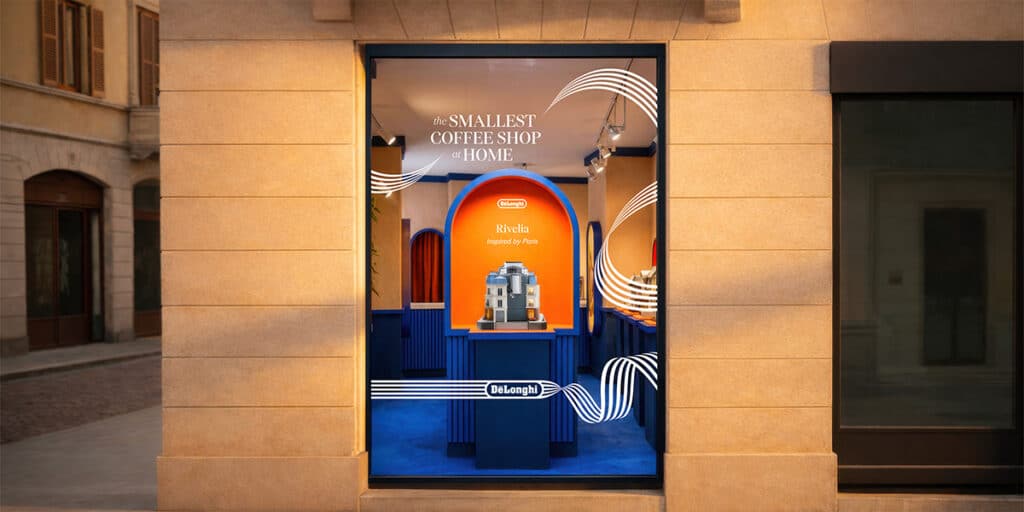
With The Smallest Coffee Shop at Home, De'Longhi explores the intersection between craftsmanship, domesticity, and design.
The installation recreates miniature versions of iconic coffee shops, offering a scenographic reinterpretation of the coffee ritual.
The takeaway is simple yet powerful: everyday moments, even at home, can carry aesthetic and emotional value.
Samsung: technology as an emotional act
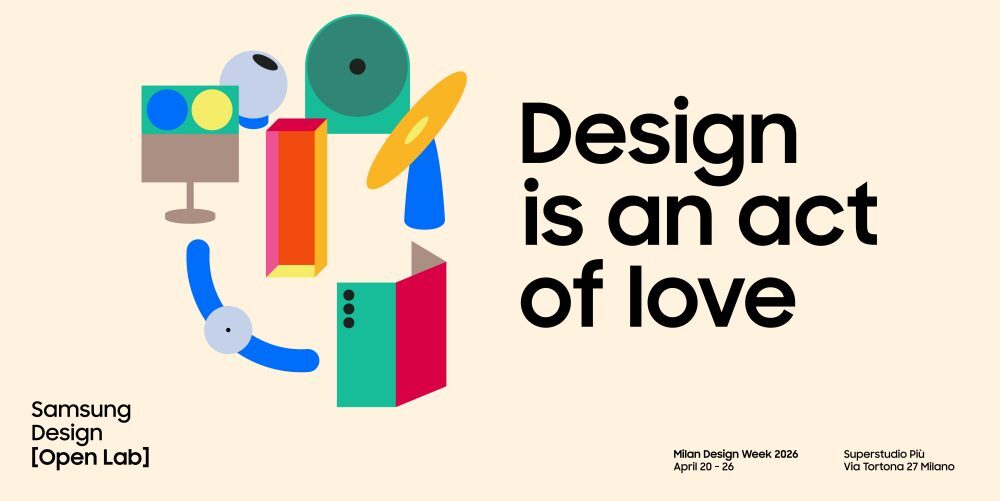
In Design is an Act of Love, Samsung moves technology beyond functionality into emotional storytelling.
The experience unfolds as a journey where innovation meets sensitivity, turning devices into tools for connection rather than performance.
The focus shifts from what technology does to how it makes people feel.
FIAT: a journey through past and future mobility
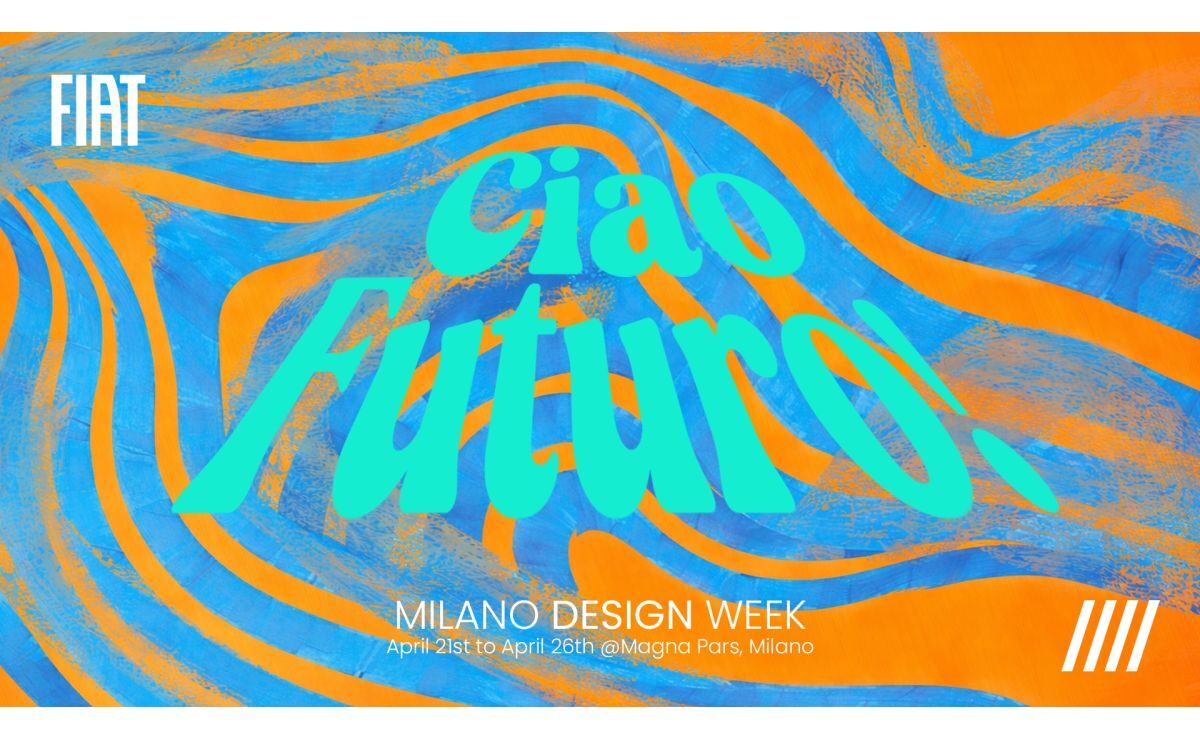
In the Tortona district, FIAT presents Ciao Futuro!, an immersive journey exploring the evolution of urban mobility.
A symbolic tunnel guides visitors through time, connecting past and future through two iconic models: the 1957 Fiat 500 and the 1980s Fiat Panda—both representing functional, human-centered design.
The experience extends into the future with concept cars developed by students from IED and ISIA, inviting visitors to vote for their favorite.
Swatch: co-creation between AI and human creativity
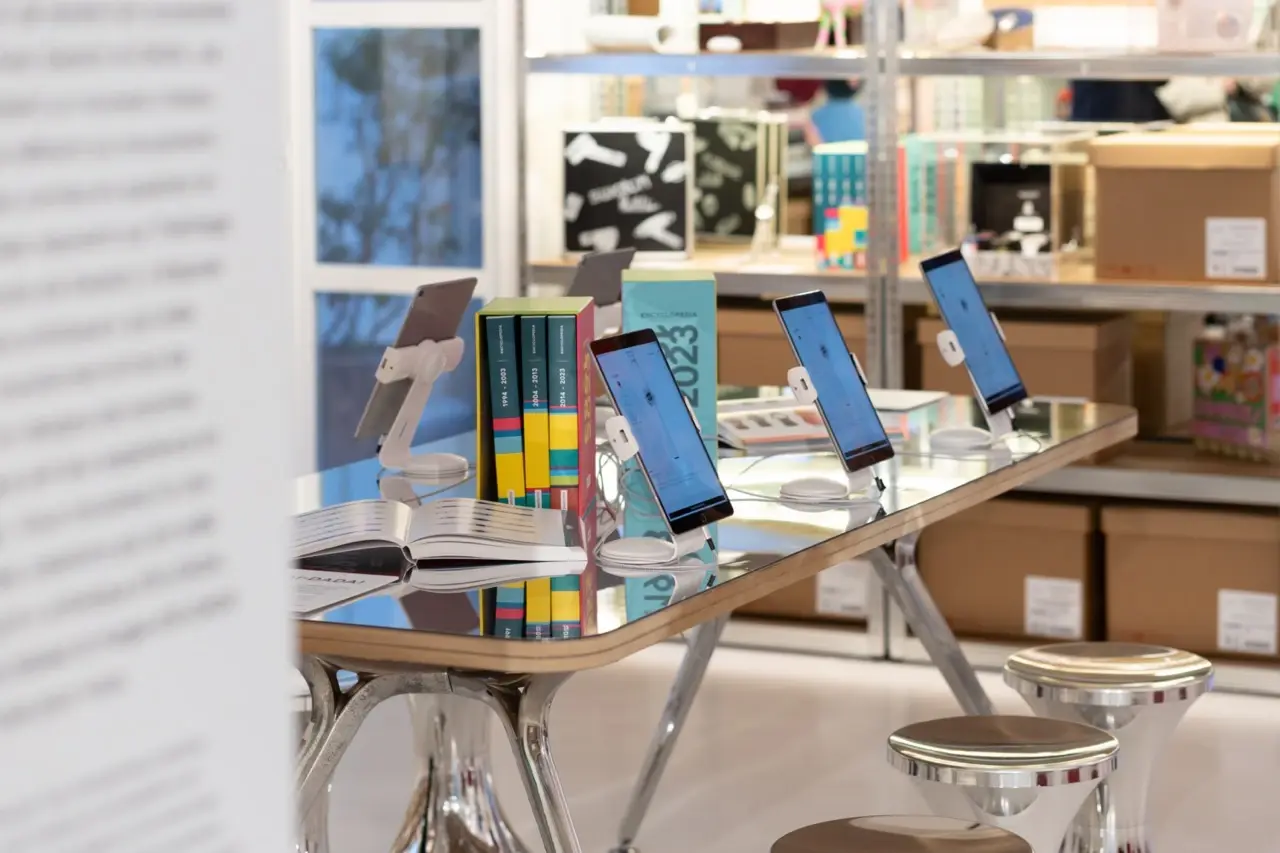
With AI-DADA Lab, Swatch experiments with a participatory model where visitors actively contribute to the creative process.
Participants can design their own watch alongside AI systems, creating a dialogue between human input and algorithmic generation.
Design becomes an open process—no longer static, but collaborative and evolving.