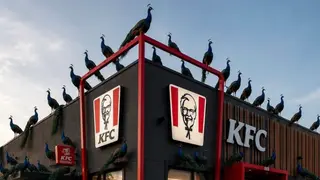
The Punta Marina Peacocks: When a Local Phenomenon Becomes a Perfect Real-Time Marketing Case
There’s a precise moment when a story stops being simple local news and becomes digital pop culture. That’s exactly what happened with the Punta Marina peacocks, which in just a few days became one of the most talked-about viral cases online, fueled by memes, social media irony, user-generated content, and brand participation.
What initially seemed like a “small” local phenomenon — the unusual presence of peacocks in a seaside town near Ravenna — quickly turned into a perfect real-time marketing case study. More importantly, it once again proved how brands today need to be able to join social conversations with speed, the right tone of voice, and cultural awareness.
It all started in Punta Marina Terme, a seaside destination on the Romagna coast, where several peacocks began freely wandering through streets, gardens, and beach clubs. The situation, already bizarre and fascinating on its own, exploded on social media thanks to TikTok videos, Instagram Reels, and Facebook posts shared by both locals and tourists.
Within just a few hours:
- videos were gaining thousands of views;
- users started turning the peacocks into online characters;
- memes about the “premium wildlife of the Riviera” began circulating;
- jokes about the “real owners of the beach clubs” spread everywhere.
The internet did what it does best: take something absurd yet authentic and transform it into a collective online narrative.
And that’s when brands entered the conversation too.
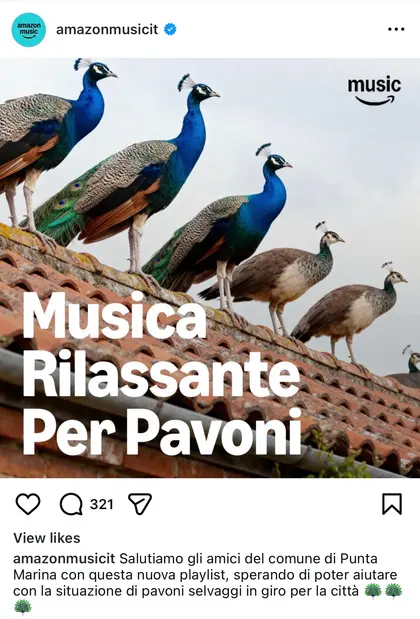

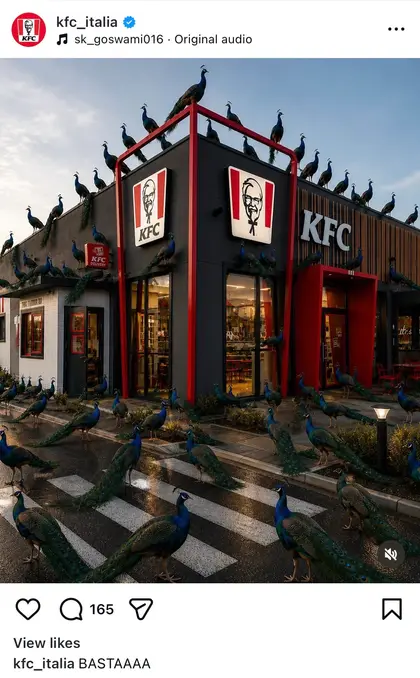
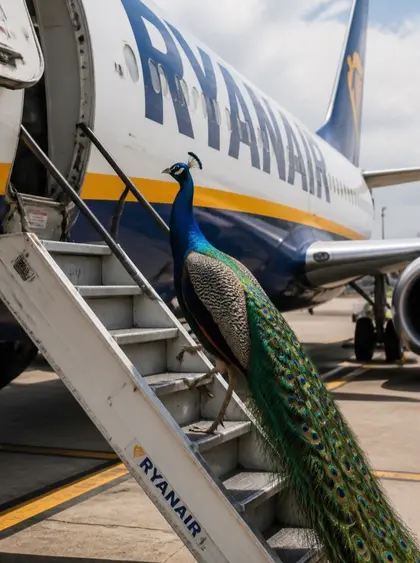
Real-time marketing works when brands understand the context
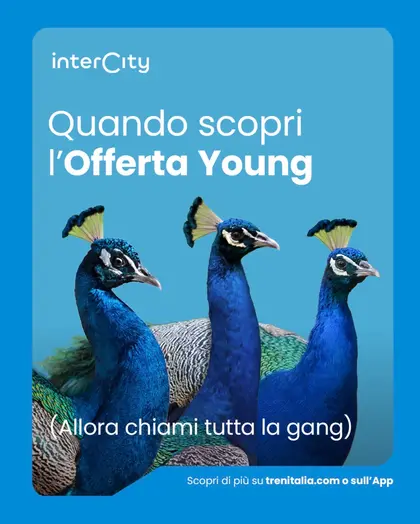
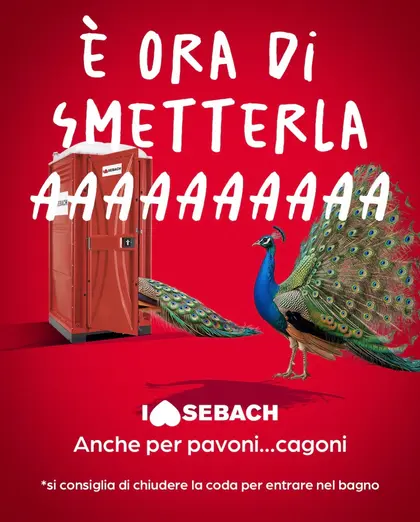
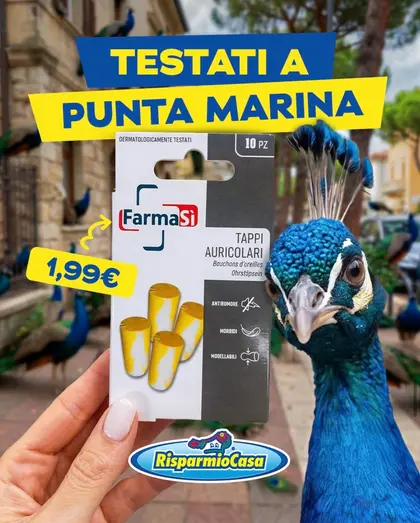
The brands that successfully joined the trend were able to:
- understand the ironic language of the moment;
- publish quickly;
- avoid forcing sales messages;
- contribute to the meme instead of interrupting it.
From a communication perspective, this story had every ingredient needed to go viral online:
Strong visual impact: A peacock is an almost surreal animal to see in an urban beach setting.
Narrative contrast: The Romagna Riviera is usually associated with umbrellas, tourism, piadina, and nightlife. Adding peacocks into that imagery creates the kind of paradox the internet loves.
Meme potential: Every viral phenomenon needs to be remixable. The peacocks quickly became “the influencers of Punta Marina,” “the real VIP guests,” and “the beach club inspectors.”
Strong local identity: Local authenticity makes content feel more believable, relatable, and shareable.
Many people think real-time marketing simply means “posting the right thing at the right time.” In reality, it requires much more:
- speed;
- a deep understanding of internet culture;
- the ability to read the tone of online communities;
- awareness of the risk of sounding forced.
Today, brands are no longer competing just to sell products — they are competing to stay culturally relevant.

What this case teaches brands
The Punta Marina peacock phenomenon offers several valuable lessons for anyone working in communication and marketing:
- Speed matters more than perfection
- Irony beats direct promotion
- Local stories can become national trends
- Communities reward authenticity
The Punta Marina peacocks are proof of how the internet can turn almost anything real into collective entertainment. Modern marketing now lives in comments, reactions, memes, and in the ability to be present at the exact moment people are talking about something.
Author Sabrina Ceccarani, Social Media Manager
See also this
-

It’s Hot, You’re on the Metro and You Just Want to Leave: WeRoad’s New Campaign Gets It
WeRoad turns Milan’s summer heat into a witty OOH campaign designed to make commuters want to escape.
-

Greenpeace Renames London Underground Stations to Protest the Climate Crisis
Greenpeace renames London Tube stations to protest extreme heat and the fossil fuel industry.
-

Ringo vs Gocciole: The Social Media “Dissing” That Was Actually Marketing
From fake rivalry to viral collab: how Ringo and Gocciole turned dissing into marketing success.