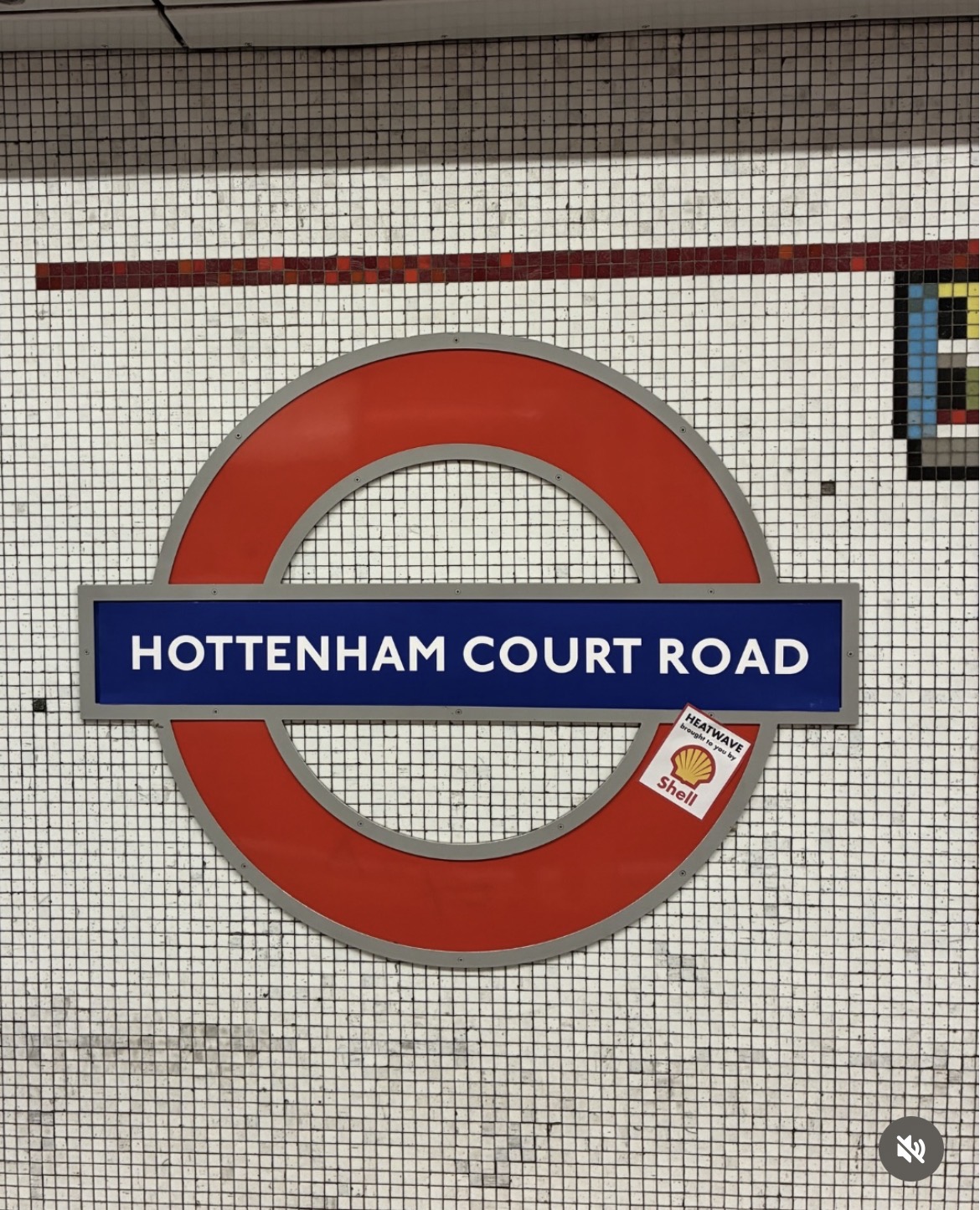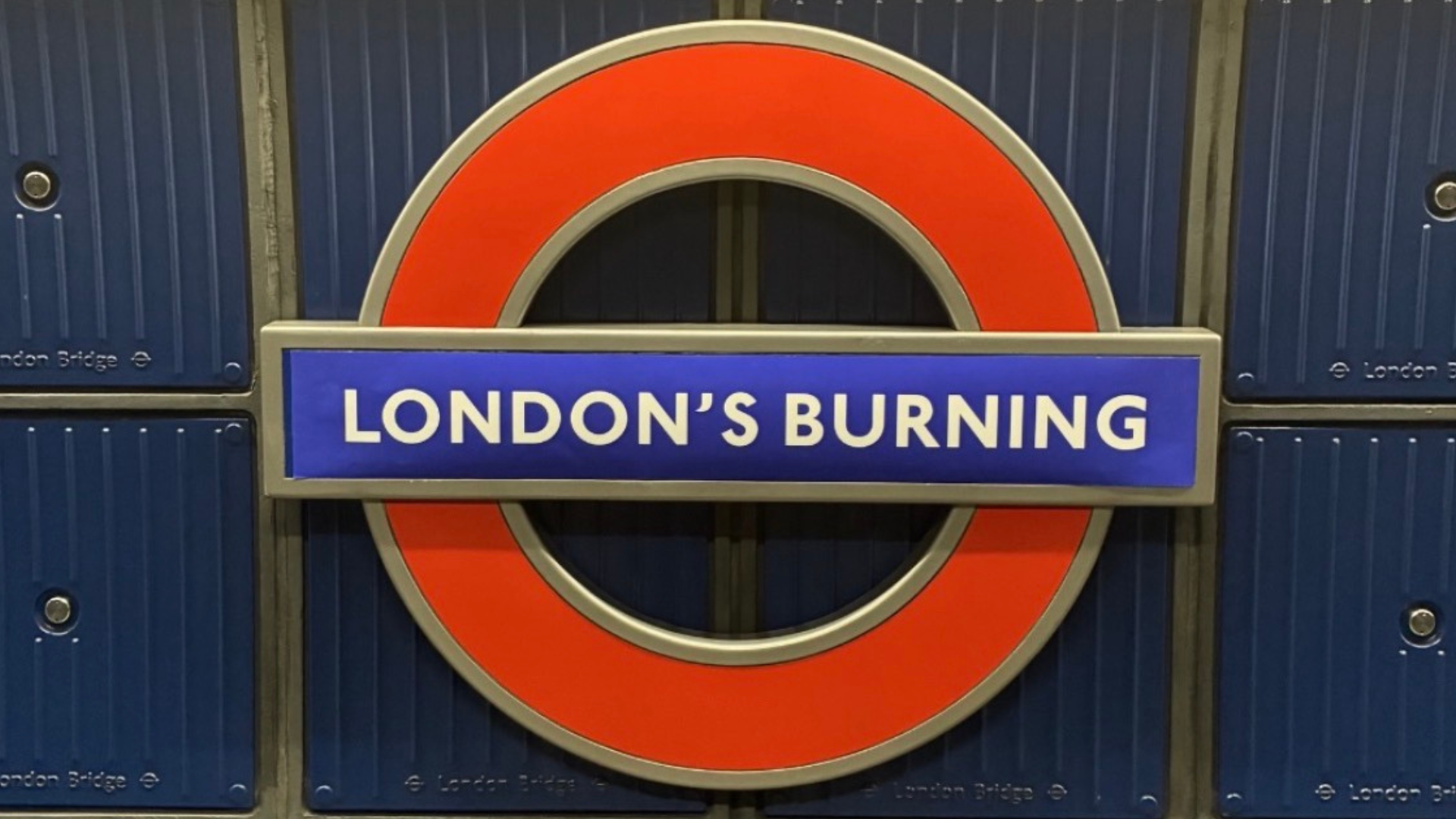
Imagine stepping onto the London Underground during one of the hottest weeks ever recorded in the UK, only to discover that the next stop is no longer Baker Street, but Baking Street.
No, the heat has not gone to your head.
Greenpeace UK temporarily renamed some of the London Underground’s most iconic stations with an activation that was as simple as it was impossible to ignore. By placing stickers over the original signs, activists turned Baker Street into Baking Street, Tottenham Court Road into Hottenham Court Road, and London Bridge into London’s Burning.
But behind the humour was a far more serious message.
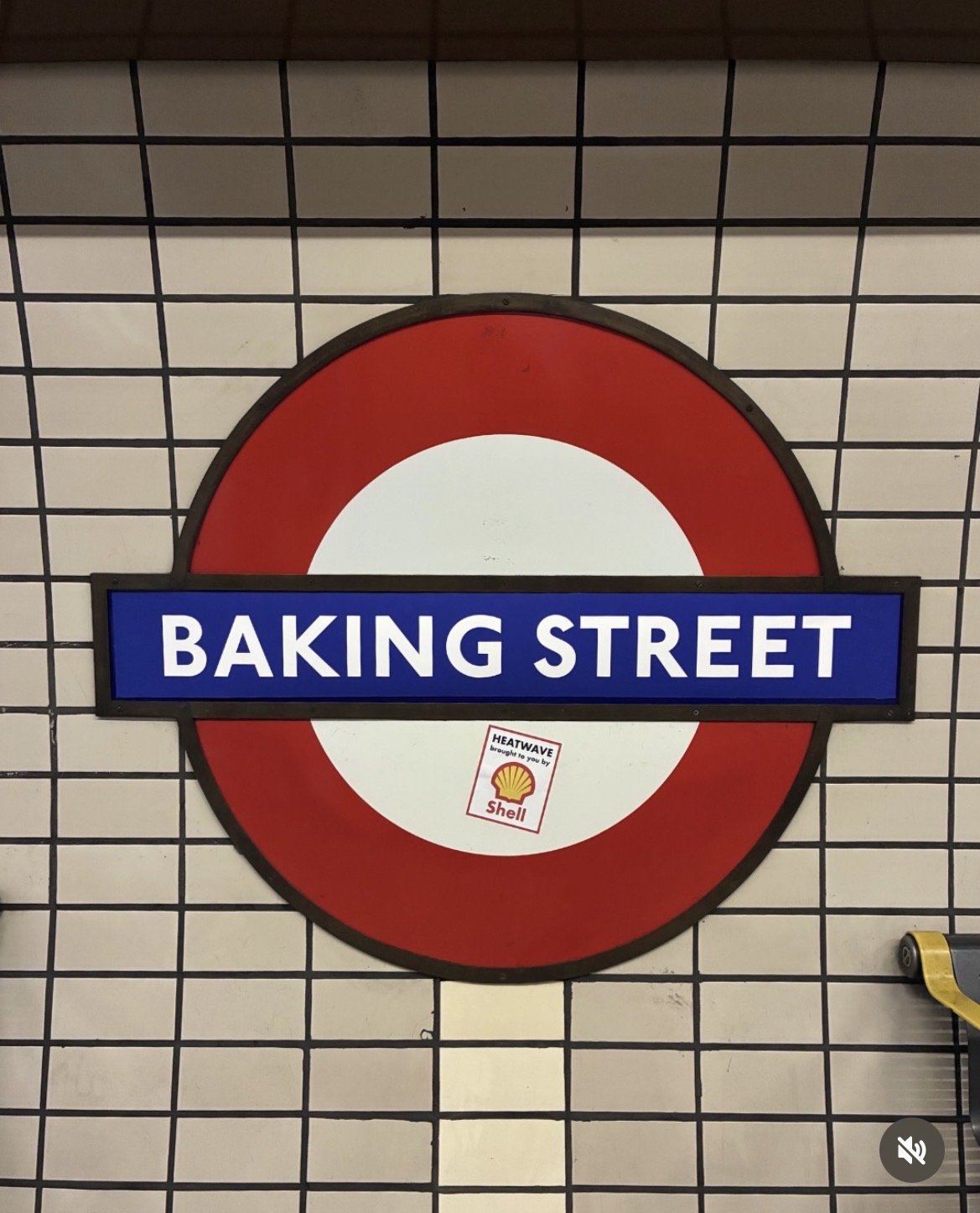
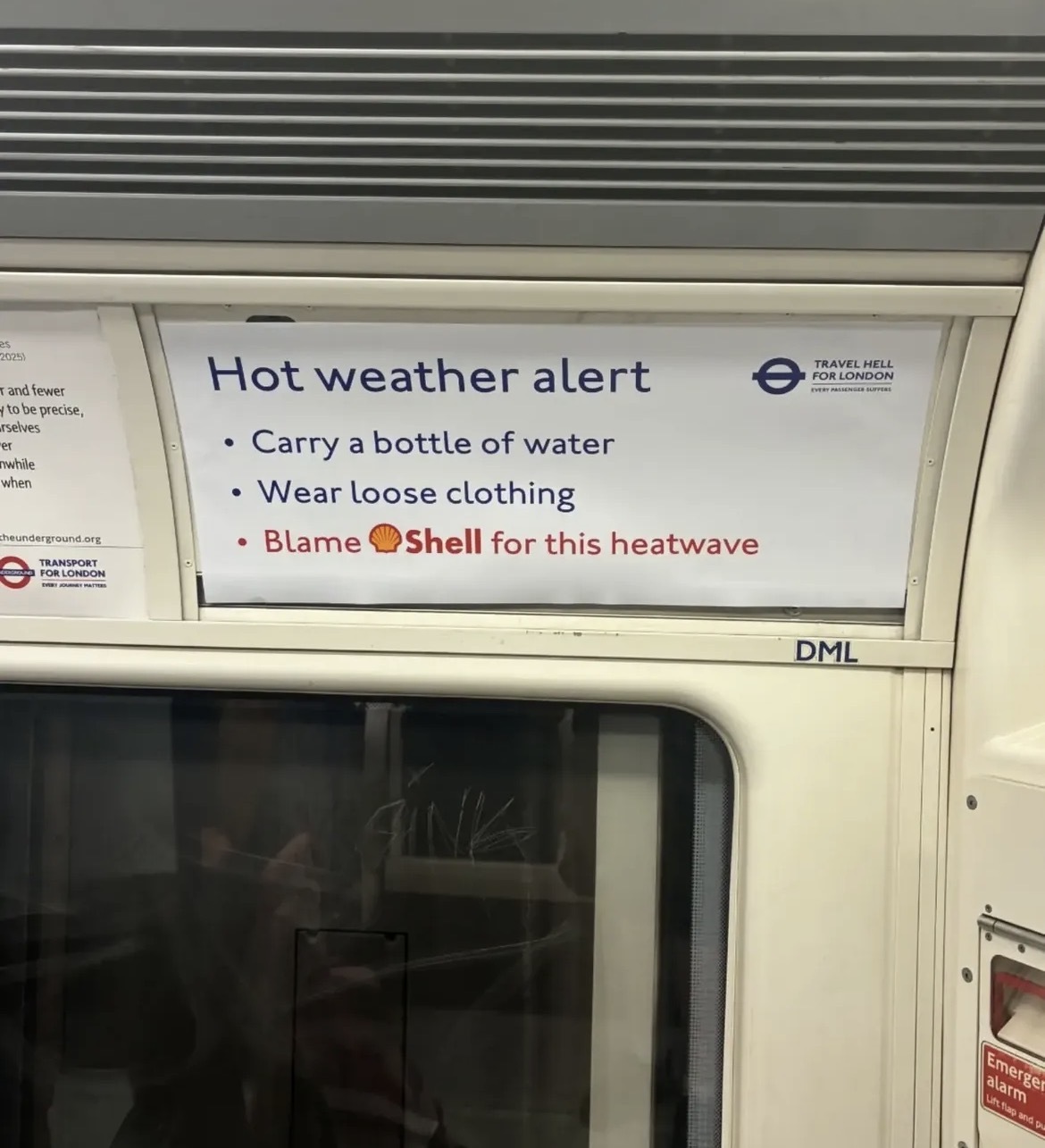
“Heatwave, sponsored by Shell.”
{$te}
The message was clear: if heatwaves were sponsored events, the name of the fossil fuel industry would be printed across the poster.
With this activation, Greenpeace brought an enormous issue—one usually communicated through data, charts and institutional statements—into one of the most ordinary parts of everyday life: the daily commute.
The action took place at the end of June 2026, while the UK was experiencing an exceptional heatwave.
On 26 June, a provisional temperature of 37.7°C was recorded in Lingwood, Norfolk, exceeding the previous UK record for June of 35.6°C. The Met Office described the period as unprecedented for the month, highlighting how climate change is reshaping temperature extremes across the country.
According to an analysis by World Weather Attribution, temperatures of this intensity would have been virtually impossible in June 1976, when several previous European heat records were set. The research links the rapid worsening of heatwaves to emissions generated by the continued use of fossil fuels.
Why It Works
The strength of the idea lies in its immediacy. You do not need a lengthy explanation to understand the concept, nor do you need perfect English to grasp the tone of the provocation.
The campaign also follows one of the most effective rules of contemporary communication: Greenpeace did not simply speak about climate change in abstract terms. It intervened at the exact moment people were experiencing the issue firsthand—perhaps while standing in a crowded, unair-conditioned carriage or waiting inside an overheated station.
The activation was physical, but it was clearly built for social media.
It is a form of communication that moves from the street to the feed without losing its impact. Online, it gains a second life: the images are shared, discussed and picked up by media outlets, extending the campaign’s reach far beyond the stations where it first appeared.
This is not only guerrilla marketing, and it is more than real-time marketing. It is a cultural intervention that uses the language of the city, humour and social media to make a complex issue immediate and accessible.