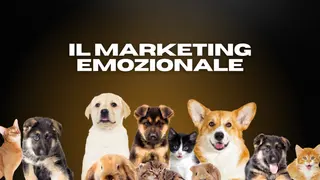
Emotional Marketing and Animals: Sometimes All It Takes Is a Cute Face! Why Do They Work So Well in Advertising?
How can a commercial that lasts just a few seconds make us laugh, move us, or remember a product for years?
That’s where emotional marketing comes into play. Let’s try to explain it in a few words.
Emotional marketing aims to build a deep connection between a brand and its audience, going beyond the product or its price. The goal isn’t just to grab attention, but to create a relationship based on emotions, values, and identification.
At the core of this strategy are neurosciences, which show us that our choices aren’t as rational as we like to believe.
Yep — our purchasing decisions are (often) driven primarily by emotions.
The brain processes feelings first, and only afterwards does the logical reasoning part step in. In practice, we feel something, we react accordingly, and only later do we look for a rational explanation for what we did. That’s also why many buying decisions come from an emotional impulse, while logic arrives later to justify the choice.
Emotional Marketing and Animals: Sometimes All It Takes Is a Cute Face! Why Do They Work So Well in Advertising?
Watch the videoThe video loads from YouTube only when you press the button.
Animals and Advertising
The relationship between animals and advertising is one of the most effective expressions of emotional marketing.
If emotional reactions guide people’s behavior and can push them to take action (= buy), including an animal in a campaign means tapping into an immediate, instinctive form of engagement that easily bypasses rational filters.
What makes them "winning"?
- Instant connection with the audience: animals evoke shared emotions such as sympathy, affection, and empathy.
- Strong symbolic value: animals carry deeply rooted symbolism in our collective imagination. Some associations are well established: dogs convey trust, loyalty, and a sense of family, while horses are often used to communicate strength, speed, and energy—especially in the automotive industry. At the same time, many brands choose to break these traditional patterns, placing animals in unexpected contexts or letting them interact with humans as true co-stars. In these cases, the animal stops being a simple decorative element and becomes a real testimonial, actively contributing to the brand’s storytelling.
- Humanization: when animals are given human traits or behaviors, they become a mirror of our habits and emotions, making identification much easier.
- Spontaneity: they naturally communicate authenticity, making the message feel credible and immediate. All of these elements help make animal-led campaigns especially memorable.
Animals don’t just appear in ads for pet products—they often become the stars of some of the most iconic commercials across many different brands.
In short, sometimes all it takes is a cute little face to bring us closer to a brand or a product.
And that’s exactly what might happen when watching Scottex commercials.
Emotional Marketing and Animals: Sometimes All It Takes Is a Cute Face! Why Do They Work So Well in Advertising?
Watch the videoThe video loads from YouTube only when you press the button.
Scottex’s Labrador puppy has become the face of an idea of home comfort made of care and softness. Through its presence, an everyday product is infused with emotional value, turning a simple gesture into a reassuring, familiar experience.
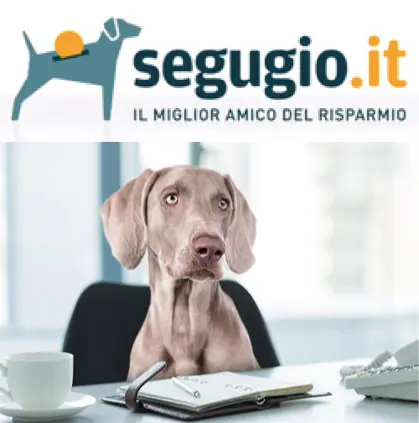
Segugio.it - Asso the Weimaraner: with his elegant posture and friendly expression, Asso perfectly embodies the values of reliability and clarity that Segugio.it is built on. In a complex industry like insurance, choosing an animal as a brand ambassador helps simplify the message and convey a sense of security, making the brand feel more approachable and accessible.
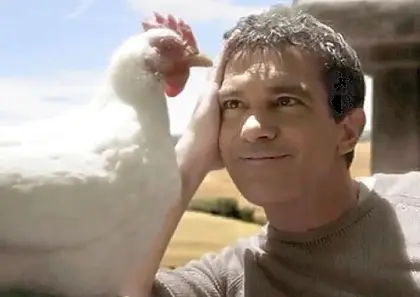
Mulino Bianco - Rosita: Rosita wasn’t just a mascot—she was a true character. For six years, she accompanied Mulino Bianco, becoming a familiar and beloved presence. Her “temporary disappearance” was managed through an emotional storytelling strategy that engaged the audience with dedicated content and organic social sharing. A powerful example of how a well-crafted animal character can truly become part of a brand’s community.
Duracell - the pink bunny: the famous pink bunny was born in the early ’70s as a symbol of Duracell batteries’ endless energy. The idea was simple: a bunny that never stops, representing long-lasting power and consistent performance.
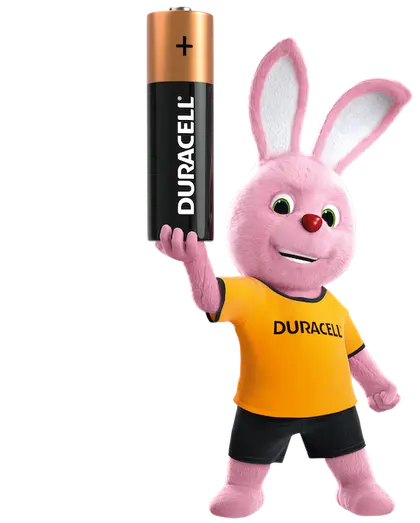
- Instant likability
- Memorability: the animal becomes the symbol of the product, easy to recall even without a slogan or logo.
- Humor and lightness: the bunny’s spontaneous movement makes the ad fun and enjoyable to watch.
- Humanization: while remaining an animal, the bunny takes on very “human” behaviors.
IKEA - Don't worry you can afford it: this campaign tells the story of life with pets in a playful and realistic way. Here, animals act as a true emotional bridge: dogs and cats, with their guilty, funny and irresistibly cute looks, are portrayed as full-fledged members of the family. The situations shown are deeply rooted in everyday life—small domestic accidents that genuinely happen in many homes and make the ad easy to relate to and share. IKEA turns a potentially stressful moment into a light-hearted scene. The message is clear: unexpected mishaps are part of daily life and, thanks to affordable products, they can be handled without worry.
Emotional Marketing and Animals: Sometimes All It Takes Is a Cute Face! Why Do They Work So Well in Advertising?
Watch the videoThe video loads from YouTube only when you press the button.
This commercial:
- Normalizes a familiar experience: understanding and light-heartedness are key.
- Turns a “problem” into a benefit: IKEA embraces everyday mishaps and uses them to communicate its value proposition.
- Strengthens brand identity: the message isn’t just “affordable,” but human and family-oriented—perfectly aligned with IKEA’s promise to make everyday life simpler and happier.
Author Sabrina Ceccarani, Social Media Manager
See also this
-

It’s Hot, You’re on the Metro and You Just Want to Leave: WeRoad’s New Campaign Gets It
WeRoad turns Milan’s summer heat into a witty OOH campaign designed to make commuters want to escape.
-

Greenpeace Renames London Underground Stations to Protest the Climate Crisis
Greenpeace renames London Tube stations to protest extreme heat and the fossil fuel industry.
-

Ringo vs Gocciole: The Social Media “Dissing” That Was Actually Marketing
From fake rivalry to viral collab: how Ringo and Gocciole turned dissing into marketing success.